

Troubleshooting Problems
Here are steps to troubleshoot your standard gravity septic system: Open the lid of the septic tank and observe the water level. If the level is normal, then the problem is in the line inside the house or between the house and the tank. There may be a simple stop-up or clog, or the line...read more
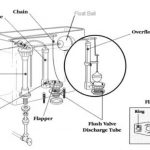
Excess Water
When we pumped your septic tank and/or inspected your system, we noticed a trickle of excess water entering the tank from the house sewer line. We have left food coloring tablets with this document so you can test your toilets. A septic system is designed to handle a limited amount of water in a 24...read more

“What Now” Repair Procedure
Select location for new drain field Select soils engineer to conduct soil analysis in desired location Engineer generates written soils test report. Key points: Average Percolation Rate, 0-60 in./min. Soil type – ie: sand, clay, sandstone, bedrock Number of bedrooms in house – NOT bathrooms If APR is greater than 60, or depth to bedrock...read more

Septic Systems & Landscaping
Septic system must be pumped routinely so it is a good idea to keep the tank lids exposed so your lawn does not have to be dug up every 2 – 4 years. However, we know people want to have nice lawns and do not want their grass be dug up. Septic tanks are generally...read more
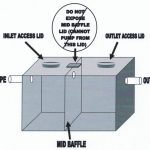
How to Find Your Tank
Everybody must know where their tank is along with all access lids! If you don’t, how will you be able to look in there to diagnose a problem when one arises? Plus, your pumper doesn’t want to find anddig up access lids all day; – otherwise, our drivers would all quit after one day of...read more
Odors Inside AND/OR Outside the House
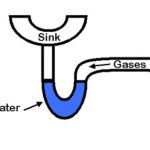
Inside: Many people have asked me about a problem with a sewage odor inside their house. Usually this odor emanates from a dry drain. Each drain in your house has a trap associated with it. The trap is the U-shaped pipe you see under your kitchen sink. See diagram below. The purpose of this pip...read more

New Septic System… UGH ! “How Much Will It Cost? ”
Bad news, but you’ve come to terms & accepted the fact that it’s time to replace your septic system. Now, how much is this going to cost? Before any reputable Installer can provide a fair & accurate price quote to replace your system, they must have sizing & design information. It’s no different than if...read more
About Valve Switching and Low Pressure Pipe Fields
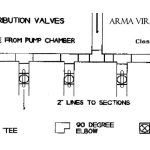
Of course, as with all septic systems, you should have a file labeled “Septic”, which contains your engineered design, soil test, permit and, most importantly, the “As-Built” drawing. Copies of these documents can be provided to you by the local health department. Low pressure pipe systems are also known as “Bell-Patt” or low pressure drip...read more