Septic Maintenance
Septic Maintenance
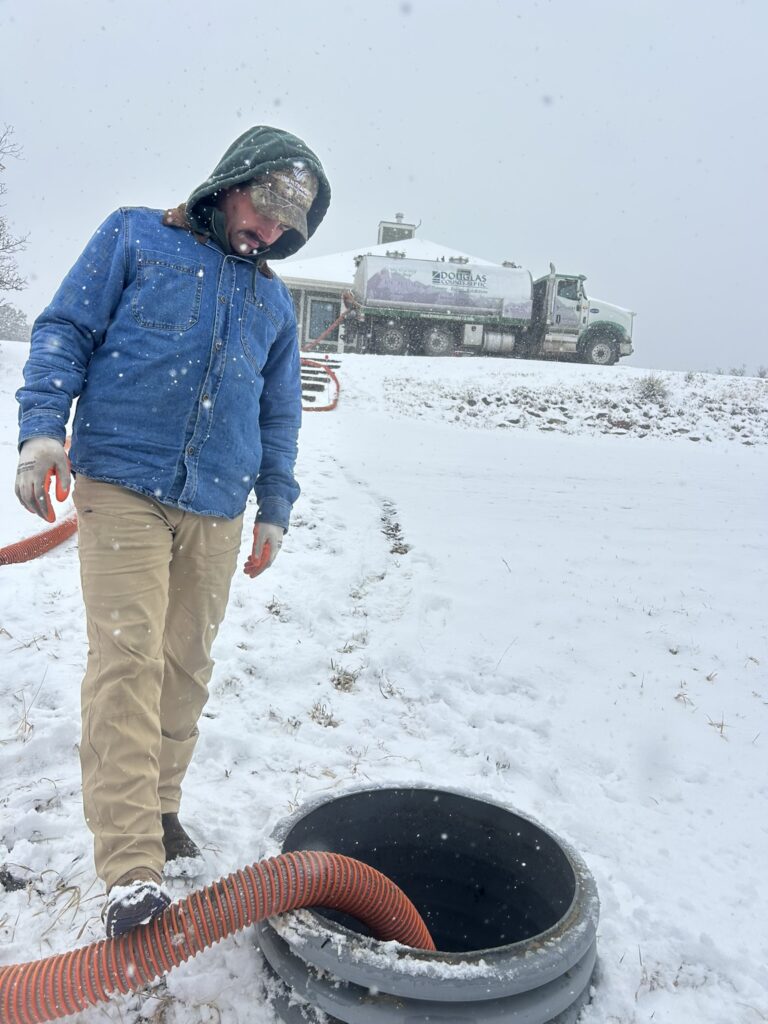
Septic System Maintenance
A septic system works in a simple way:
- Wastewater flows into the septic tank, where solids settle to the bottom.
- The partially treated water then flows into the drainfield (OSWTS), where it filters through the soil and is naturally cleaned.
Although the system is simple, it only works properly with regular care.
Septic tanks should be pumped every 3-5 years.
The most common cause of septic system failure is lack of maintenance. When a tank is not pumped regularly, solids build up and can flow into the drainfield, clogging it. When this happens, the drainfield often needs to be replaced, which can be costly.
Proper use of your system also supports healthy bacteria, which are essential for breaking down waste.
A failing septic system can pose serious health risks, including exposure to raw sewage and contamination of groundwater.
Septic Do’s and Don’ts:
Do: Pump your tank on a regularl basis. Alternate septic systems every spring your system has dual septic systems.
Do: Limit the use of drain solvents, household chemicals, strong disinfectants and chlorine. Continual use of these substances can inhibit bacterial action, causing rapid buildup of solids in the tank.
Do: Keep asbuilt / record drawing showing the location of your septic tank and OWTS in relation to your house. Keep records on septic pumping or service on the premises regardless of current ownership.
Don’t: Dispose of sanitary napkins, tampons, diapers, wipes, flushable wipes, paper towels, cooking oil, grease, solvents, paint, etc., in the septic system. Garbage disposals should be used sparingly in connection with a septic system. Coffee grounds, fats, egg shells, meats, and solids should never be run through your garbage disposal into a septic system.
Don’t: Park or drive vehicles over or allow large animals on any part of your septic system.
Don’t: Plant large shrubs or trees over or near the septic area because roots can cause damage to the pipes.
Don’t: Place splinkler systems close to the septic system All surface water runoff should be directed away from this area to prevent further saturation of the soil.
Onsite Wastewater Treatment System Maintenance Program
We offer a maintenance program consisting of the following maintenance items, performed once a year.
- Rotate field sections by adjusting valves or surge tank riser plugs
- Inspect the field to ensure even distribution of effluent across all STA sections
- Reduce flow to any wet or saturated sections, as needed
- Verify proper settings of the alarm float switch and confirm alarm system operation
- Check the pump float switch settings and ensure the pump is operating correctly
- Inspect electrical wiring connections at the tank
- Check tanks for solids buildup and overall condition
A report will be provided outlining the work performed, along with any recommended repairs and estimated costs. Please contact us to schedule a personalized maintenance plan for your septic system.
Homeowner’s Association Maintenance Programs
We partner with homeowner associations (HOAs) to provide scheduled maintenance and inspections for all septic systems within the community. Our services include detailed reports outlining system conditions, recommended repairs, and pumping needs for each property.
Helpful Information